The Story Factor: Inspiration, Influence, And Persuasion Through The Art Of Storytelling
Fully revised, updated, and expanded, this modern classic will teach you to use the art of storytelling to persuade, motivate, and inspire in life and business
Anyone seeking to influence others must first know their own story, and how to tell it properly. Whether you're proposing a risky new venture, trying to close a deal, or leading a charge against injustice, you have a story to tell. Tell it well and you will create a shared experience with your listeners that can have profound results.
In this modern classic, Annette Simmons reminds us that the oldest tool of influence is also the most powerful. Fully revised and updated to account for new technology and social media, along with two new chapters on the role of stories in the development of civilization and how to adjust your story to your specific goal, Simmons showcases over a hundred examples of effective storytelling drawn from the front lines of business and government, as well as myths, fables, and parables from around the world. Whether writing a screenplay, or announcing a corporate reorganization, Simmons illustrates how story can be used in ways that cold facts, bullet points, and directives can't. These stories, combined with practical storytelling techniques, show anyone how to become a more effective communicator and achieve their goals.

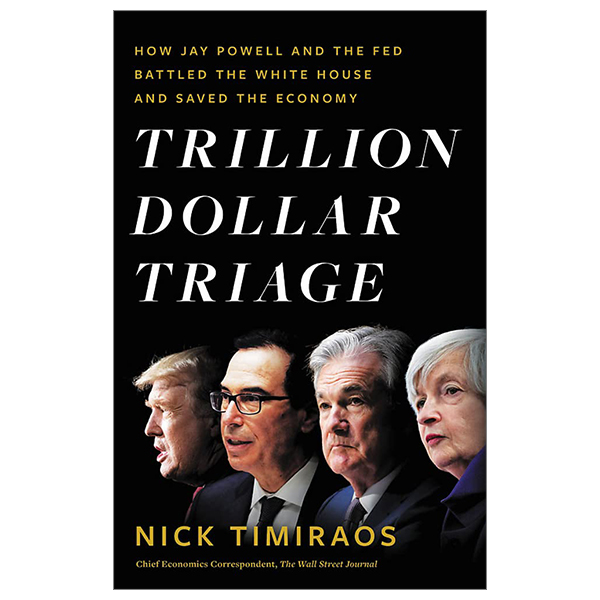
Trillion Dollar Triage: How Jay Powell And The Fed Battled A President And A Pandemic - And Prevented Economic Disaster
The inside story, told with “insight, perspective, and stellar reporting,” of how an unassuming civil servant created trillions of dollars from thin air, combatted a public health crisis, and saved the American economy from a second Great Depression (Alan S. Blinder, former Vice Chair of the Federal Reserve).
By February 2020, the U.S. economic expansion had become the longest on record. Unemployment was plumbing half-century lows. Stock markets soared to new highs. One month later, the public health battle against a deadly virus had pushed the economy into the equivalent of a medically induced coma. America’s workplaces—offices, shops, malls, and factories—shuttered. Many of the nation’s largest employers and tens of thousands of small businesses faced ruin. Over 22 million American jobs were lost. The extreme uncertainty led to some of the largest daily drops ever in the stock market.
Nick Timiraos, the Wall Street Journal’s chief economics correspondent, draws on extensive interviews to detail the tense meetings, late night phone calls, and crucial video conferences behind the largest, swiftest U.S. economic policy response since World War II. Trillion Dollar Triage goes inside the Federal Reserve, one of the country’s most important and least understood institutions, to chronicle how its plainspoken chairman, Jay Powell, unleashed an unprecedented monetary barrage to keep the economy on life support. With the bleeding stemmed, the Fed faced a new challenge: How to nurture a recovery without unleashing an inflation-fueling, bubble-blowing money bomb?
Trillion Dollar Triage is the definitive, gripping history of a creative and unprecedented battle to shield the American economy from the twin threats of a public health disaster and economic crisis. Economic theory and policy will never be the same.

Market Mover: Lessons From A Decade Of Change At NASDAQ
The former CEO and Chairman of Nasdaq shares insights and lessons learned from one of the world's largest stock exchanges, detailing the company's transformation from a fledgling U.S. equities market to a global financial technology company.
During 2003, the U.S. economy was described by one economist as nervous, anxious, and waiting. In December the Dow had topped 10,000 for the first time in a year and a half, and at year's end the markets were up for the first time since 1999. But in the same year, American troops had moved into Iraq, and corporate boards were cutting CEOs at the slightest signs of trouble.
Amidst this turmoil Robert Greifeld, a former tech entrepreneur from outside the Wall Street bubble, became CEO of Nasdaq, a position he would hold for the next thirteen years. He saw the company through one of the most mercurial economic periods in history: the Bernie Madoff mega-scandal; Facebook's tumultuous and disastrous IPO; Hurricane Sandy's disruption of the world's financial hub; the implosion of America's housing market and the global economic crash that followed, from which we have yet to fully recover. In Market Mover, Bob will write a first-hand account of the most critical moments of his career, with each chapter focusing on a headline-making event and ending with a prescriptive takeaway to impart to his readers.
Now Bob, who stepped aside as Nasdaq's CEO at the end of 2016, is eager to look back at more than a decade of transformational change that occurred on his watch in order to share his insights and lessons with business readers.

Social Startup Success: How The Best Nonprofits Launch, Scale Up, And Make A Difference
With business advice from an expert entrepreneur, learn how to identify and leverage the key factors that will bring sustainability and success to your startup.
In order to make a difference, any modern nonprofit needs to achieve multimillion-dollar annual revenues. After surveying more than 200 high-performing entrepreneurs across the country—including the leaders of Teach for America, City Year, Donors Choose, charity: water, and Hot Bread Kitchen—Kathleen Kelly Janus is here to show you how to reach and sustain lasting organizational growth. Janus asked a simple question: “What is the key to nonprofit success?” The answers she received reveal five key strategies responsible for the most successful social startups:
- Testing Ideas
- Measuring Impact
- Funding Experimentation
- Leading Collaboratively
In these uncertain times, we need every bit of creativity and determination to find better solutions. The stories in Social Startup Success and the tools it recommends will help you to make your organization—whether a fledging startup or a large, well-established operation—thrive.

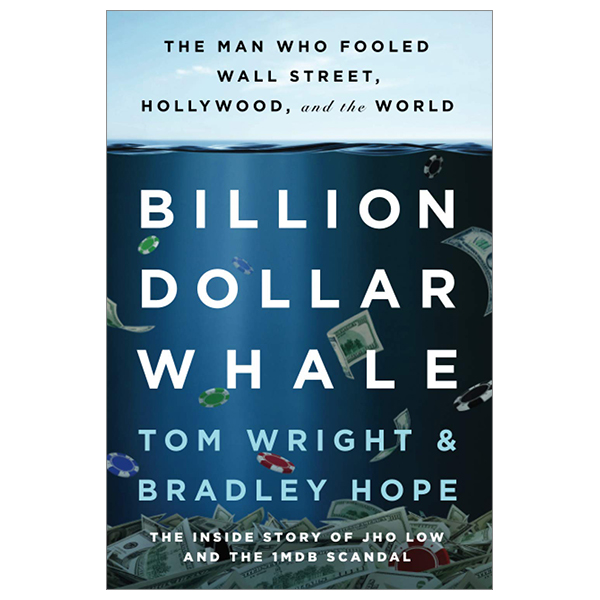
Billion Dollar Whale: The Man Who Fooled Wall Street, Hollywood, And The World
Named a Best Book of 2018 by the Financial Times and Fortune, this thrilling (Bill Gates)
New York Times bestseller exposes how a modern Gatsby swindled over $5 billion with the aid of Goldman Sachs in the heist of the century (Axios).
Now a 1 international bestseller, BILLION DOLLAR WHALE is an epic tale of white-collar crime on a global scale (Publishers Weekly, starred review), revealing how a young social climber from Malaysia pulled off one of the biggest heists in history.
In 2009, a chubby, mild-mannered graduate of the University of Pennsylvanias Wharton School of Business named Jho Low set in motion a fraud of unprecedented gall and magnitude--one that would come to symbolize the next great threat to the global financial system. Over a decade, Low, with the aid of Goldman Sachs and others, siphoned billions of dollars from an investment fund--right under the nose of global financial industry watchdogs. Low used the money to finance elections, purchase luxury real estate, throw champagne-drenched parties, and even to finance Hollywood films like The Wolf of Wall Street.By early 2019, with his yacht and private jet reportedly seized by authorities and facing criminal charges in Malaysia and in the United States, Low had become an international fugitive, even as the U.S. Department of Justice continued its investigation. BILLION DOLLAR WHALE has joined the ranks of Liars Poker, Den of Thieves, and Bad Blood as a classic harrowing parable of hubris and greed in the financial world.

The Value Of Everything: Making And Taking In The Global Economy
Modern economies reward activities that extract value rather than create it. This must change to ensure a capitalism that works for us all.
Shortlisted for the FT & McKinsey Business Book of the Year Award
A scathing indictment of our current global financial system, The Value of Everything rigorously scrutinizes the way in which economic value has been accounted and reveals how economic theory has failed to clearly delineate the difference between value creation and value extraction. Mariana Mazzucato argues that the increasingly blurry distinction between the two categories has allowed certain actors in the economy to portray themselves as value creators, while in reality they are just moving around existing value or, even worse, destroying it.
The book uses case studies-from Silicon Valley to the financial sector to big pharma-to show how the foggy notions of value create confusion between rents and profits, reward extractors and creators, and distort the measurements of growth and GDP. In the process, innovation suffers and inequality rises.
The lesson here is urgent and sobering: to rescue our economy from the next inevitable crisis and to foster long-term economic growth, we will need to rethink capitalism, rethink the role of public policy and the importance of the public sector, and redefine how we measure value in our society.

Sustain Your Game: High Performance Keys To Manage Stress, Avoid Stagnation, And Beat Burnout
Sustain Your Game is built upon a simple premise: each of us will always be under construction, a work in progress, and constantly evolving. The goal is to be moving toward our highest potential, toward making a meaningful contribution, and toward becoming the best version of ourselves.
Based on his years as a successful basketball performance coach—having worked with and alongside superstars like Steph Curry, Kevin Durant, and Kobe Bryant—and a keynote speaker to major companies like Pepsi and Amex, Alan Stein Jr. brings you the keys to lasting, unimaginable success. The secret? Sustain Your Game teaches a timeline of short term to medium term to long term because we are always battling all three: stress in the now, stagnation in the present, and burnout in the long term.
Part I—PERFORM is about managing stress in the day-to-day (short term)
Part II—PIVOT is about avoiding stagnation in your current situation (medium term)
This book is for high performers who want to learn practical strategies and action steps on how to sustain their game across all three timelines. It assembles invaluable advice and lessons from successful athletes, entrepreneurs, social scientists, journalists, CEOs, motivational speakers, business coaches, and consultants, as well as Alan’s own personal stories.

Get It Done: Surprising Lessons From The Science Of Motivation
Discover a "compelling" framework for setting and achieving your goals (Carol Dweck, author of Mindset), from a psychologist on the cutting edge of motivational science.
A great deal of ink has been spilled on the subject of motivating and influencing others, but what happens when the person you most want to influence is you? Setting and achieving goals for yourself—at work, at home, and in relationships—is harder than it seems. How do you know where to start? How do you carry on in the face of roadblocks and distractions? How do you decide which tasks and ambitions to prioritize when you’re faced with more responsibilities, needs, and desires than you can keep track of?
In Get It Done, psychologist and behavioral scientist Ayelet Fishbach presents a new theoretical framework for self-motivated action, explaining how to:
- Identify the right goals
- Attack the “middle problem”
- Battle temptations
- Use the help of others around you
With fascinating research from the field of motivation science and compelling stories of people who learned to motivate themselves, Get It Done illuminates invaluable strategies for pulling yourself in whatever direction you want to go—so you can achieve your goals while staying healthy, clearheaded, and happy.

Discover a "compelling" framework for setting and achieving your goals (Carol Dweck, author of Mindset), from a psychologist on the cutting edge of motivational science.
A great deal of ink has been spilled on the subject of motivating and influencing others, but what happens when the person you most want to influence is you? Setting and achieving goals for yourself—at work, at home, and in relationships—is harder than it seems. How do you know where to start? How do you carry on in the face of roadblocks and distractions? How do you decide which tasks and ambitions to prioritize when you’re faced with more responsibilities, needs, and desires than you can keep track of?
In Get It Done, psychologist and behavioral scientist Ayelet Fishbach presents a new theoretical framework for self-motivated action, explaining how to:
- Identify the right goals
- Attack the “middle problem”
- Battle temptations
- Use the help of others around you
With fascinating research from the field of motivation science and compelling stories of people who learned to motivate themselves, Get It Done illuminates invaluable strategies for pulling yourself in whatever direction you want to go—so you can achieve your goals while staying healthy, clearheaded, and happy.

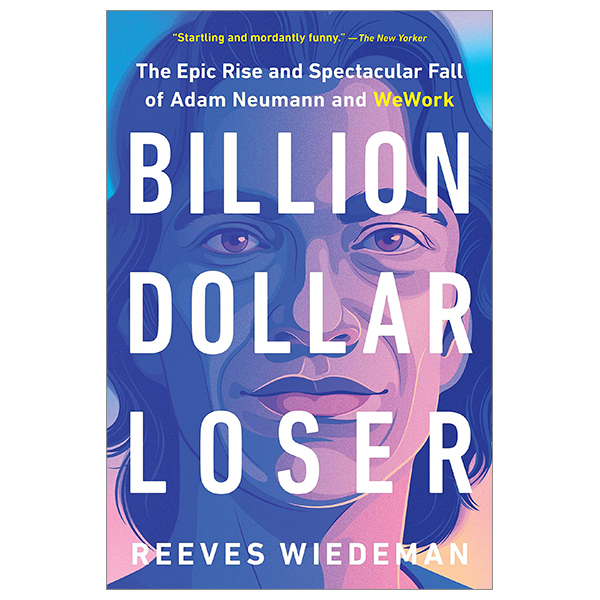
Billion Dollar Loser: The Epic Rise And Spectacular Fall Of Adam Neumann And WeWork
A Wall Street Journal Business Bestseller: This "vivid" inside story of WeWork and its CEO tells the remarkable saga of one of the most audacious, and improbable, rises and falls in American business history (Ken Auletta).
Christened a potential savior of Silicon Valley's startup culture, Adam Neumann was set to take WeWork, his office share company disrupting the commercial real estate market, public, cash out on the company's forty-seven billion dollar valuation, and break the string of major startups unable to deliver to shareholders. But as employees knew, and investors soon found out, WeWork's capital was built on promises that the company was more than a real estate purveyor, that in fact it was a transformational technology company.
Veteran journalist Reeves Weideman dives deep into WeWork and it CEO's astronomical rise, from the marijuana and tequila-filled board rooms to cult-like company summer camps and consciousness-raising with Anthony Kiedis. Billion Dollar Loser is a character-driven business narrative that captures, through the fascinating psyche of a billionaire founder and his wife and co-founder, the slippery state of global capitalism.
A Wall Street Journal Business Bestseller
“Vivid, carefully reported drama that readers will gulp down as if it were a fast-paced novel” (Ken Auletta)

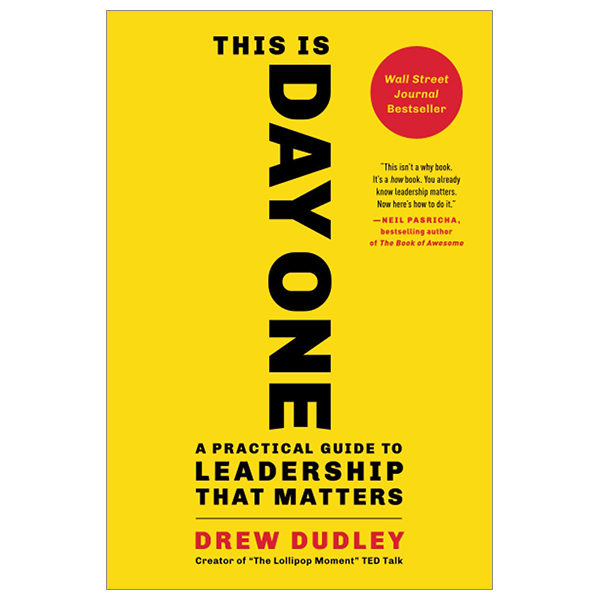
This Is Day One: A Practical Guide To Leadership That Matters
Based on his TEDx talk "Everyday Leadership (the Lollipop Moment)" -- voted one of the 15 most inspirational TED talks of all time -- This Is Day One is leadership expert Drew Dudley's guide to cultivating the behaviors that will help you to succeed and empower those around you.
If you're intimidated by the mystique surrounding leadership, this book is for you. Dudley simplifies leadership without denying its complexity, demonstrating that leadership in all its forms begins at the same clear and accessible place for everyone: what he calls "Day One."
Day One is when you discover, define, and start to consistently deliver on your foundational leadership values. Living that day over and over is what creates leaders, and Dudley provides the key tools necessary to craft and commit to your own personal Day One, including:
A step-by-step process designed to surface your core leadership values and embed them into your daily behavior
Insights into key leadership values that drive performance and impact
Sharing the process that led him through battles with alcohol, obesity, and personal tragedy, Dudley shows you how to develop a relentless commitment to the daily behaviors that will make you a better executive, coach, or teacher, and how you can inspire others to do the same.
Most of the leadership on the planet comes from people who don't see themselves as leaders. This Is Day One shows you how to start changing that. Through the insights of leaders of all types -- CEOs, elite athletes, cab drivers, custodians, and everyone in between -- Dudley helps you understand what your Day One needs to look like, reminds you why you're a leader, and makes clear what you can do about it--starting today, on Day One.

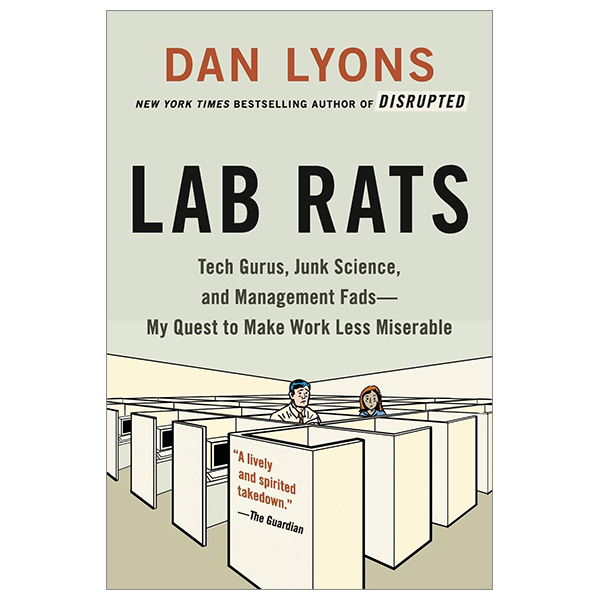
Lab Rats: Tech Gurus, Junk Science, And Management Fads - My Quest To Make Work Less Miserable
New York Times bestselling author Dan Lyons exposes how the "new oligarchs" of Silicon Valley have turned technology into a tool for oppressing workers in this "passionate" (Kirkus) and "darkly funny" (Publishers Weekly) examination of workplace culture.
At a time of soaring corporate profits and plenty of HR lip service about "wellness," millions of workers--in virtually every industry -- are deeply unhappy. Why did work become so miserable? Who is responsible? And does any company have a model for doing it right?
For two years, Lyons ventured in search of answers. From the innovation-crazed headquarters of the Ford Motor Company in Detroit, to a cult-like "Holocracy" workshop in San Francisco, and to corporate trainers who specialize in . . . Legos, Lyons immersed himself in the often half-baked and frequently lucrative world of what passes for management science today. He shows how new tools, workplace practices, and business models championed by tech's empathy-impaired power brokers have shattered the social contract that once existed between companies and their employees. These dystopian beliefs--often masked by pithy slogans like "We're a Team, Not a Family" -- have dire consequences: millions of workers who are subject to constant change, dehumanizing technologies -- even health risks.
A few companies, however, get it right. With Lab Rats, Lyons makes a passionate plea for business leaders to understand this dangerous transformation, showing how profit and happy employees can indeed coexist.

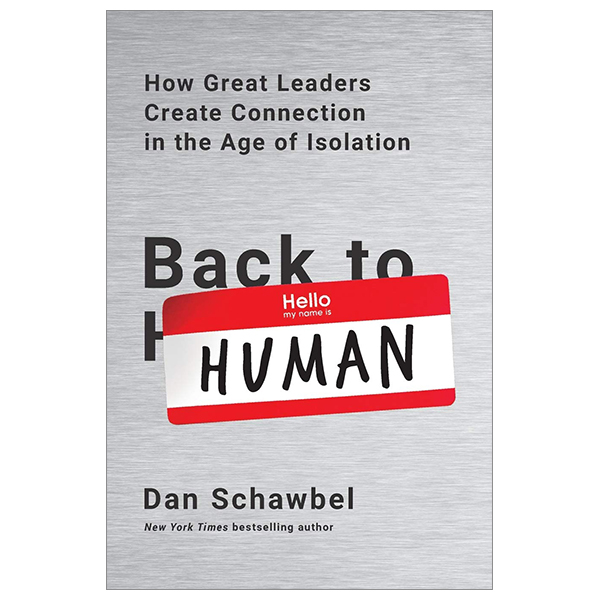
Back To Human: How Great Leaders Create Connection In The Age Of Isolation
WASHINGTON POST BESTSELLER
A Financial Times Book of the Month
Back to Human explains how a more socially connected workforce creates greater fulfillment, productivity, and engagement while preventing burnout and turnover.
The next generation of leaders must create a workplace where teammates feel genuinely connected, engaged, and empowered -- without relying on technology. Based on Dan Schawbel's exclusive research studies -- featuring the perspectives of over 2,000 managers and employees across different age groups -- Back to Human reveals why virtual communication, though vital and useful, actually contributes to a stronger sense of isolation at work than ever before. How can we change this culture?
Schawbel offers a self-assessment called the "Work Connectivity Index" that measures the strength of team relationships. He also shares exercises, examples, and activities that readers can work on individually or as a team, which will help them increase personal productivity, be more collaborative, and become more fulfilled at work.
Back to Human ultimately helps you decide when and how to use technology to build better connections in your work life. It is a call to action to leaders across the world to make the workplace a better experience for all of us.

AgeProof: Living Longer Without Running Out Of Money Or Breaking A Hip
Two of the world's leading experts explain the vital link between health and wealth that could add years to your life and dollars to your retirement savings.
All the money in the world doesn't mean a thing if we can't get out of bed. And the healthiest body in the world won't stay that way if we're frazzled about five figures worth of debt. Today Show financial expert Jean Chatzky and the Cleveland Clinic's chief wellness officer Dr. Michael Roizen explain the vital connection between health and wealth--giving readers all the tactics, strategies, and know-how to live longer, healthier, more lucrative lives.
The same principles that allow us to achieve a better body will allow us to do the same for our investment portfolio. For instance, physical and financial stability comes down to the same equation: Inflow versus outflow. Do we burn more calories than we ingest? Likewise, are we making more money than we spend? The authors detail scientific ways to improve our behavior so that the answers tilt in the readers' favor. They also offer ways to beat the system by automating how we do things and limiting our decisions in the face of too much food or too much debt.
Chatzky and Roizen provide a plan for both financial independence and biological strength with action steps to get you there.

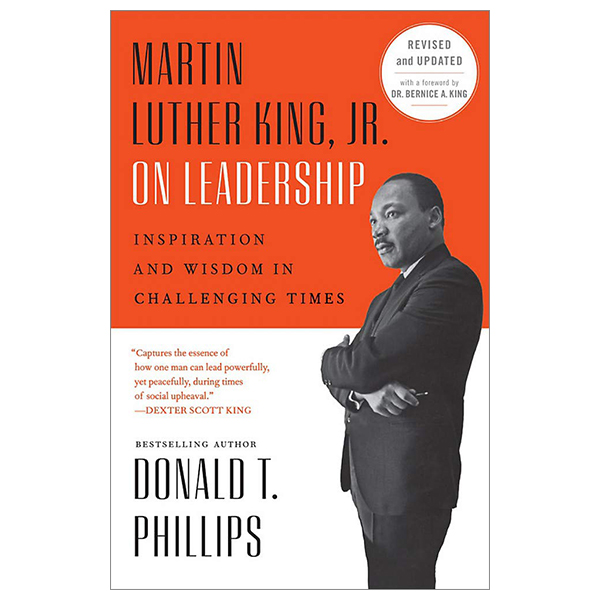
Martin Luther King, Jr., On Leadership: Inspiration And Wisdom For Challenging Times
Martin Luther King Jr. is known for famous speeches such as I Have a Dream, and his ability to inspire the people of the United States to demand equality, regardless of the color of their skin. His ability to lead has cemented himself as one of America's greatest civil rights advocates.
And in today's world, his wisdom and teachings are needed more than ever. Martin Luther King Jr., On Leadership chronicles the actions of Martin Luther King Jr.'s life and identifies the key leadership skills he displayed such as:
* Practice what you preach
* Take direct action without waiting for other agencies to act
* Give credit where credit is due
* Laws only declare rights, they do not deliver them
This book is part history and part guide to becoming a great leader, inspired by Martin Luther King Jr., an advocate to peaceful change while never wavering in making the opposition listen and give in.

Emotion By Design: Creative Leadership Lessons From A Life At Nike
Innovative strategies for success from former Nike CMO Greg Hoffman, who had a major hand in crafting Nike’s singular brand and was instrumental in its most high-profile breakthrough campaigns.
In EMOTION BY DESIGN, Hoffman shares lessons and stories on the power of creativity drawn from almost three decades of experience within Nike. A celebration of ingenuity and a call-to-arms for brand-builders to rediscover the human element in forming consumer bonds, EMOTION BY DESIGN is an insider’s guide to unlocking inspiration within a brand and building stronger emotional connections with consumers, using Hoffman’s three favorite guiding principles:
- Creativity is a Team Sport
- Dare to be Remembered
Over the course of a twenty-seven-year Nike career—from intern to Chief Marketing Officer—Hoffman led teams in shaping and expressing Nike’s brand voice and identity through storytelling and experiences. Every story was distinct, yet the result was always the same: a strong emotional attachment between products and people—quite literally emotion by design.
With fascinating stories about Nike’s most famous campaigns, EMOTION BY DESIGN shares Hoffman’s philosophy and principles on how to create an empowering brand that resonates deeply with people by unlocking the creativity within your organization and unleashing it out into the world.

The Antisocial Network: The Gamestop Short Squeeze And The Ragtag Group Of Amateur Traders That Brought Wall Street To Its Knees
Named a Best Book of the Year by New York Post!
From one of our most innovative and celebrated authors, the definitive take on the wildest story of the year— the David-vs.-Goliath GameStop short squeeze, a tale of fortunes won and lost overnight that may end up changing Wall Street forever.
Bestselling author Ben Mezrich offers a gripping, beat-by-beat account of how a loosely affiliate group of private investors and internet trolls on a subreddit called WallStreetBets took down one of the biggest hedge funds on Wall Street, firing the first shot in a revolution that threatens to upend the establishment.
It’s the story of financial titans like Gabe Plotkin of hedge fund Melvin Capital, one of the most respected and staid funds on the Street, billionaires like Elon Musk, Steve Cohen, Mark Cuban, Robinhood co-CEOs Vlad Tenev and Baiju Bhatt, and Ken Griffin of Citadel Securities. Over the course of four incredible days, each in their own way must reckon with a formidable force they barely understand, let alone saw coming: everyday men and women on WallStreetBets like nurse Kim Campbell, college student Jeremy Poe, and the enigmatic Keith “RoaringKitty” Gill, whose unfiltered livestream videos captivated a new generation of stock market enthusiasts.
The unlikely focus of the battle: GameStop, a flailing brick-and-mortar dinosaur catering to teenagers and outsiders that had somehow held on as the world rapidly moved online. At first, WallStreetBets was a joke—a meme-filled, freewheeling place to share shoot-the-moon investment tips, laugh about big losses, and post diamond hand emojis. Until some members noticed an opportunity in GameStop—and rode a rocket ship to tens of millions of dollars in earnings overnight.
In thrilling, pulse-pounding prose, THE ANTISOCIAL NETWORK offers a fascinating, never-before-seen glimpse at the outsize personalities, dizzying swings, corporate drama, and underestimated American heroes and heroines who captivated the nation during one of the most volatile weeks in financial history. It’s the amazing story of what just happened—and where we go from here.

Broken Windows, Broken Business: The Revolutionary Broken Windows Theory: How The Smallest Remedies Reap The Biggest Rewards
Now revised and updated, this "inspired, impactful, and important" book shows how to achieve the ultimate success by rectifying the small problems that can sink a business (Stephen R, Covey, author of The 7 Habits of Highly Effective People).
Once every few years a book comes along with an insight so penetrating, so powerful—and so simply, demonstrably true—that it instantly changes the way we think and do business. Such a book is Broken Windows, Broken Business, a breakthrough in management theory that can alter the destiny of countless companies striving to stay ahead of their competition.
In this vital work, author Michael Levine offers compelling evidence that problems in business, large and small, typically stem from inattention to tiny details. Social psychologists and criminologists agree that if a window in a building is broken and left unrepaired, soon thereafter the rest of the windows will be broken—and the perception will build that crime in that neighborhood is out of control. The same principle applies to business.
Drawing on real-world corporate examples, from JetBlue's decision to give fliers what they really want—leather seats, personal televisions, online ticketing - to Google's customer-based strategy for breaking out of the pack of Internet search engines, to business-to-business firms' successes and failures, Levine proves again and again how constant vigilance and an obsession with detail can make or break a business or a brand.
With tips and advice on changing any business to one that dots its i's, crosses its t's, and attracts more clients, Broken Windows, Broken Business goes straight to the heart of what makes all enterprises successful—the little things that mean a lot.

Disruption Proof: Empower People, Create Value, Drive Change
CEO and founder of Moves the Needle and New York Times bestselling author of The Lean Entrepreneur Brant Cooper teaches leaders how to ensure their organizations are resilient, aware, and dynamic enough to endure long-term, weathering the storms of disruption and uncertainty.
One thing in life is certain: change is constant. Thanks to the rapid pace of technological innovation in the digital age—and further accelerated by the global COVID-19 pandemic—massive structural change is happening on a greater scale than ever before. Faced with unprecedented complexity and uncertainty, most business leaders struggle to see the way forward. Company organization, systems, and management are still largely based on what was most effective in the Industrial Age. Disruption Proof offers a new approach that addresses our current reality.
Through powerful case studies of notable corporations like Intuit, 3M, Cargill, and more, Cooper demonstrates how, with the right mindset and practical strategies, companies that focus on creating value for customers can thrive in the 21st century. Disruption Proof provides readers with detailed methods for progressing through four stages of implementation to embrace a new way of working company-wide, including how to:
- develop an understanding of customers and colleagues that lead to insights (empathy)
- run tests to challenge assumptions (exploration)
- leverage data and insights to breakthrough biases (evidence)
- balance operational execution with learning (equilibrium)
By adopting these 5Es, company leaders can empower employees to become creative problem solvers, ensuring their company's ability to navigate moments of crisis and find transformative opportunities. Cooper explains how reimagining work at every level is the key to organic and sustainable growth, and guides leaders to create lasting value in the world. With Cooper's action-oriented advice and tools, anyone can help steer their company towards durable success.

Mastering Community: The Surprising Ways Coming Together Moves Us From Surviving To Thriving
From the author of Mastering Civility, an illuminating and empowering guide to help you discover just how important thriving communities are to our wellbeing and the success of organizations, and learn what steps you can take to create them
Despite our deep desire to feel a sense of belonging, many of us feel isolated. The rise of technology and modern workplace practices have led people to be even more disconnected, even as we remain constantly contactable. And as our human interactions have decreased, so too have our happiness levels. This is sparking a crisis in mental health that will have repercussions for years, leaving people lonelier and organizations less productive and profitable, too. What Christine Porath has discovered in her research is that leaders, organizations, and managers of all stripes may recognize there is a cost but have few solutions for how to implement the cure: Community.
With her signature depth and grasp of research across myriad industries including business, healthcare, hospitality, and sports, Porath extrapolates from the statistics on the experiences of hundreds of thousands of people across six continents to show us the potential for change. Through uniting people and sharing information, unleashing them with autonomy, creating a respectful environment, practicing radical candor, providing a sense of meaning, and boosting personal well-being, anyone can help a community truly flourish. The applications of Porath’s findings are endless, and the stories and case studies are positive and uplifting. This insightful exploration of the real nature of community-building will inspire readers to unite and grow their communities—be it in the workplace, the PTA, sports, or places of worship—and make them thrive.

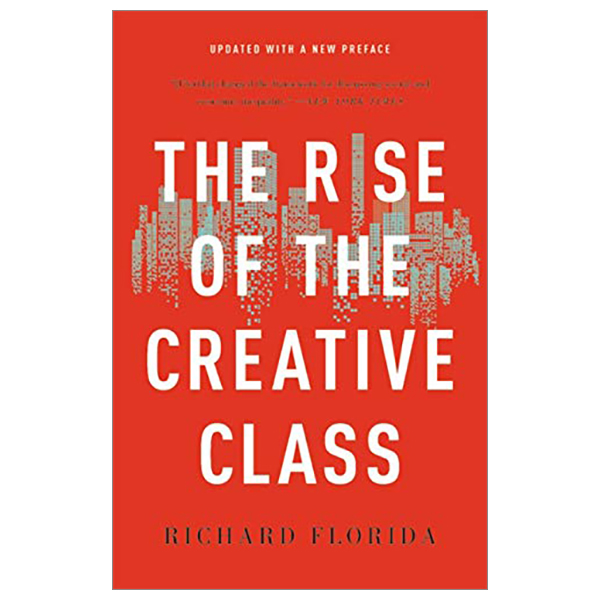
The Rise Of The Creative Class
World-renowned urbanist Richard Florida's bestselling classic on the transformation of our cities in the twenty-first century -- now updated with a new preface
In his modern classic The Rise of the Creative Class, urbanist Richard Florida identifies the emergence of a new social class reshaping the twenty-first century's economy, geography, and workplace. This Creative Class is made up of engineers and managers, academics and musicians, researchers, designers, entrepreneurs and lawyers, poets and programmer, whose work turns on the creation of new forms. Increasingly, Florida observes, this Creative Class determines how workplaces are organized, which companies prosper or go bankrupt, and which cities thrive, stagnate or decline.
Florida offers a detailed occupational, demographic, psychological, and economic profile of the Creative Class, examines its global impact, and explores the factors that shape "quality of place" in our changing cities and suburbs. Now updated with a new preface that considers the latest developments in our changing cities, The Rise of the Creative Class is the definitive edition of this foundational book on our contemporary economy.

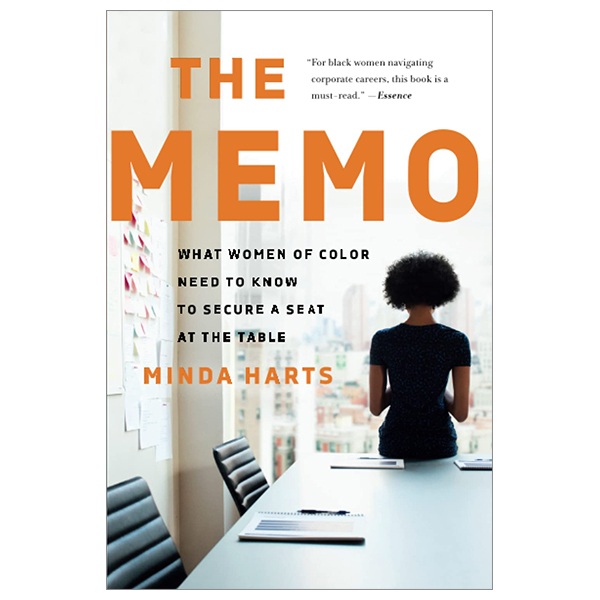
The Memo : What Women Of Color Need To Know To Secure A Seat At The Table
From microaggressions to the wage gap, The Memo empowers women of color with actionable advice on challenges and offers a clear path to success.
Most business books provide a one-size-fits-all approach to career advice that overlooks the unique barriers that women of color face. In The Memo, Minda Harts offers a much-needed career guide tailored specifically for women of color.
Drawing on knowledge gained from her past career as a fundraising consultant to top colleges across the country, Harts now brings her powerhouse entrepreneurial experience as CEO of The Memo to the page. With wit and candor, she acknowledges "ugly truths" that keep women of color from having a seat at the table in corporate America. Providing straight talk on how to navigate networking, office politics, and money, while showing how to make real change to the system, The Memo offers support and long-overdue advice on how women of color can succeed in their careers.

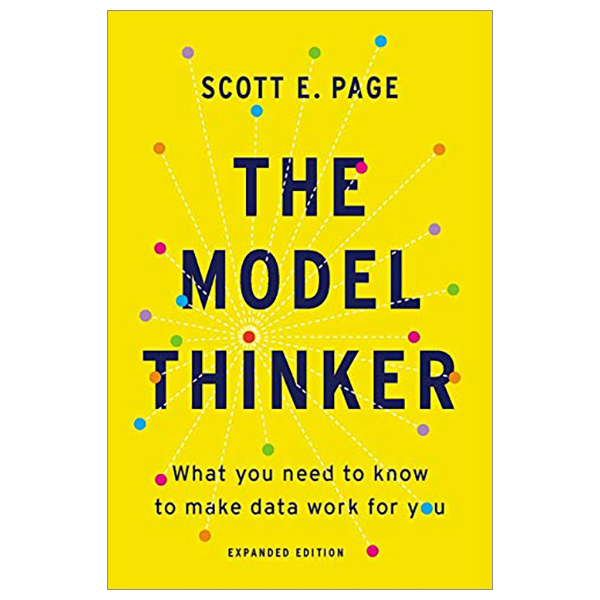
The Model Thinker
Work with data like a pro using this guide that breaks down how to organize, apply, and most importantly, understand what you are analyzing in order to become a true data ninja.
From the stock market to genomics laboratories, census figures to marketing email blasts, we are awash with data. But as anyone who has ever opened up a spreadsheet packed with seemingly infinite lines of data knows, numbers aren't enough: we need to know how to make those numbers talk. In The Model Thinker, social scientist Scott E. Page shows us the mathematical, statistical, and computational models—from linear regression to random walks and far beyond—that can turn anyone into a genius. At the core of the book is Page's "many-model paradigm," which shows the reader how to apply multiple models to organize the data, leading to wiser choices, more accurate predictions, and more robust designs. The Model Thinker provides a toolkit for business people, students, scientists, pollsters, and bloggers to make them better, clearer thinkers, able to leverage data and information to their advantage.

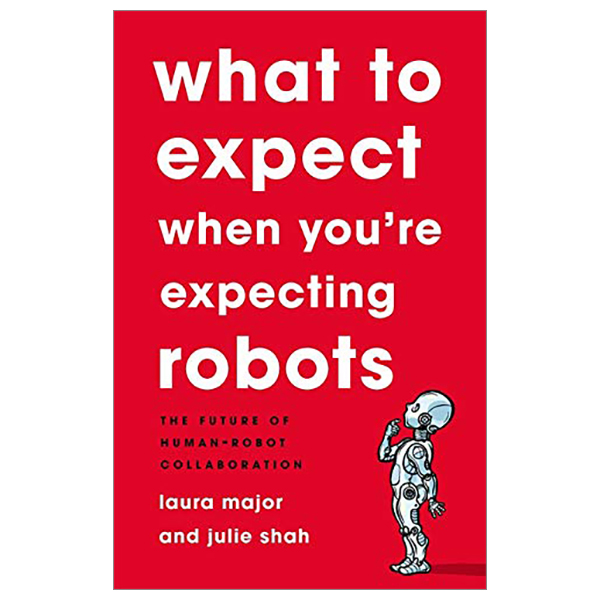
What To Expect When You're Expecting Robots: The Future Of Human-robot Collaboration
The next generation of robots will be truly social, but can we make sure that they play well in the sandbox?
Most robots are just tools. They do limited sets of tasks subject to constant human control. But a new type of robot is coming. These machines will operate on their own in busy, unpredictable public spaces. They'll ferry deliveries, manage emergency rooms, even grocery shop. Such systems could be truly collaborative, accomplishing tasks we don't do well without our having to stop and direct them.
This makes them social entities, so, as robot designers Laura Major and Julie Shah argue, whether they make our lives better or worse is a matter of whether they know how to behave.
What to Expect When You're Expecting Robots offers a vision for how robots can survive in the real world and how they will change our relationship to technology. From teaching them manners, to robot-proofing public spaces, to planning for their mistakes, this book answers every question you didn't know you needed to ask about the robots on the way.

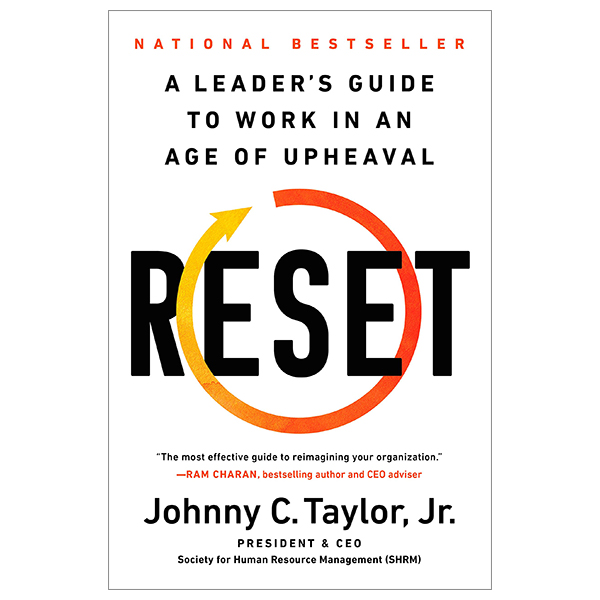
Reset: A Leader’s Guide To Work In An Age Of Upheaval
A Wall Street Journal bestseller
From the CEO and President of the Society for Human Resource Management (SHRM) comes the ultimate book on transforming the way we select, retain and train our employees in a radically changed business environment.
With the growth of remote work and an increased focus on diversity and inclusion, companies are increasingly finding themselves in “wars for talent” as they source and recruit candidates from all over the world. They need to find new ways to contact people and new sources of talent. They need to create an enduring and tangible culture that helps everyone feel empowered to do their best work. And they need to develop inclusive organizations that leverage differences for growth and innovation.
Informed by more than 70 years of experience and expertise and propelled by extensive original SHRM research, Reset delivers a candid and forward-thinking vision for leaders to reimagine their company cultures in a time of global upheaval.
Part call to action, part strategic roadmap, Reset challenges business leaders’ underlying assumptions about workers and the workplace, delivers practical strategies for finding and keeping the talent needed to make businesses successful, and introduces dynamic tools to sustain that success over the long haul. Now is the time for leaders to completely reimagine, reorganize, and Reset their operations to create a more daring, resilient and sustainable future. This is the book that will guide them exactly when they most need it.

Bossed Up: A Grown Woman's Guide To Getting Your Sh*t Together
In this candid, refreshing guide for young women to take with us as we run the world, Emilie Aries shows you how to own your power, know your worth, and design your career and life accordingly.
Young women today face an uncertain job market, the pressure to ascend at all costs, and a fear of burning out. But the landscape is changing, and women are taking an assertive role in shaping our careers and lives, while investing more and more in our community of support.
Bossed Up teaches you how to:
- Break out of the "martyrdom mindset," and cultivate your Boss Identity by getting clear on what you really want for your career and life without apology;
- Hone the self-advocacy skills necessary for success;
- Understand the differences between being assertive (which is part of being a leader) and being aggressive (which is more like being a bully) - and how that clarity can transform your trajectory;
- Beat burnout by identifying how the warning signs may be showing up in your life and how to prioritize bringing more rest, purpose, agency, and community to your day-to-day life;
Drawing from timely research, and with personal stories, and spotlights on a diverse group of women from the Bossed Up community, this book will show you how to craft a happy, healthy, and sustainable career path you'll love.

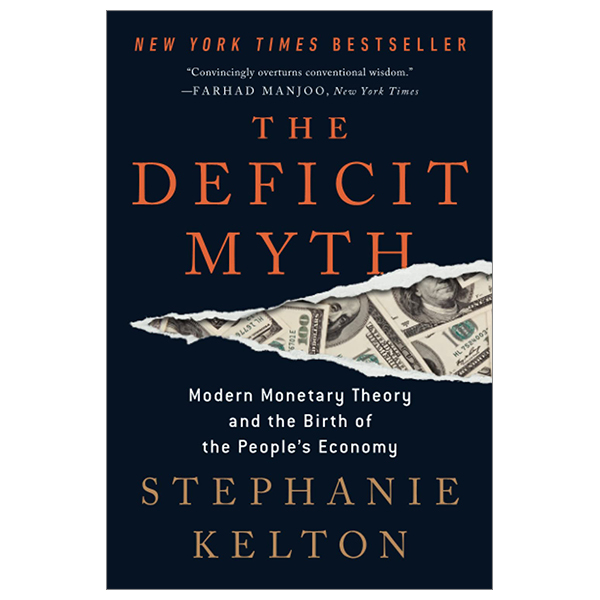
The Deficit Myth: Modern Monetary Theory And The Birth Of The People's Economy
A New York Times Bestseller
The leading thinker and most visible public advocate of modern monetary theory -- the freshest and most important idea about economics in decades -- delivers a radically different, bold, new understanding for how to build a just and prosperous society.
Stephanie Kelton's brilliant exploration of modern monetary theory (MMT) dramatically changes our understanding of how we can best deal with crucial issues ranging from poverty and inequality to creating jobs, expanding health care coverage, climate change, and building resilient infrastructure. Any ambitious proposal, however, inevitably runs into the buzz saw of how to find the money to pay for it, rooted in myths about deficits that are hobbling us as a country.
Kelton busts through the myths that prevent us from taking action: that the federal government should budget like a household, that deficits will harm the next generation, crowd out private investment, and undermine long-term growth, and that entitlements are propelling us toward a grave fiscal crisis.
MMT, as Kelton shows, shifts the terrain from narrow budgetary questions to one of broader economic and social benefits. With its important new ways of understanding money, taxes, and the critical role of deficit spending, MMT redefines how to responsibly use our resources so that we can maximize our potential as a society. MMT gives us the power to imagine a new politics and a new economy and move from a narrative of scarcity to one of opportunity.

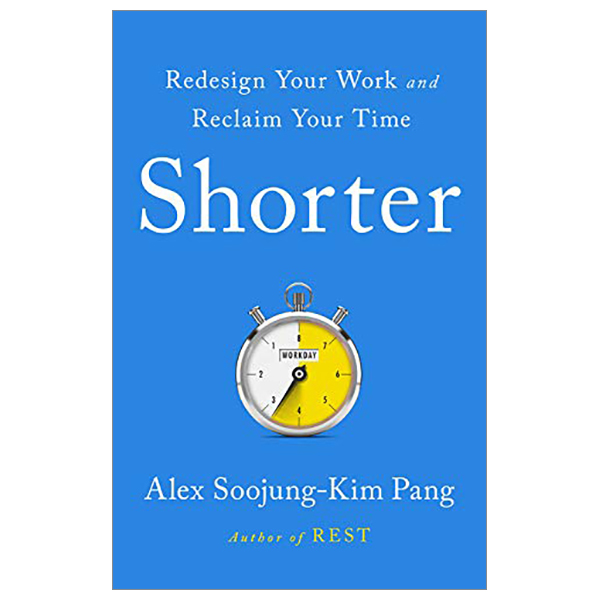
Shorter: Redesign Your Work And Reclaim Your Time
You and your company can work less, be more productive, and make time for what's really important.
The idea of success embraced by the global economy means being always-on, never missing an opportunity, and outworking your peers. But working ever-longer hours is't sustainable for companies or individuals. Fatigue-induced mistakes, whether in the operating room or factory line, cost companies billions, and overwork alienates and burns out valuable employees.
But what if there is another way? Shorter tells the story of entrepreneurs and leaders all over the world who have discovered how to shrink the workweek without cutting salaries or sacrificing productivity or revenues. They show that by reducing distractions, eliminating inefficiencies, and creating time for high-quality focus and collaboration, 4-day workweeks can boost recruitment and retention, make leaders more thoughtful and companies more sustainable, and improve work-life balance. Using design thinking, a business and product development process pioneered in Silicon Valley, futurist and consultant Alex Pang creates a step-by-step guide for readers to redesign their workdays. You and your company can work less, be more productive, and make time for what's really important.
The idea of success embraced by the global economy means being always-on, never missing an opportunity, and outworking your peers. But working ever-longer hours is't sustainable for companies or individuals. Fatigue-induced mistakes, whether in the operating room or factory line, cost companies billions, and overwork alienates and burns out valuable employees.
But what if there is another way? Shorter tells the story of entrepreneurs and leaders all over the world who have discovered how to shrink the workweek without cutting salaries or sacrificing productivity or revenues. They show that by reducing distractions, eliminating inefficiencies, and creating time for high-quality focus and collaboration, 4-day workweeks can boost recruitment and retention, make leaders more thoughtful and companies more sustainable, and improve work-life balance. Using design thinking, a business and product development process pioneered in Silicon Valley, futurist and consultant Alex Pang creates a step-by-step guide for readers to redesign their workdays.

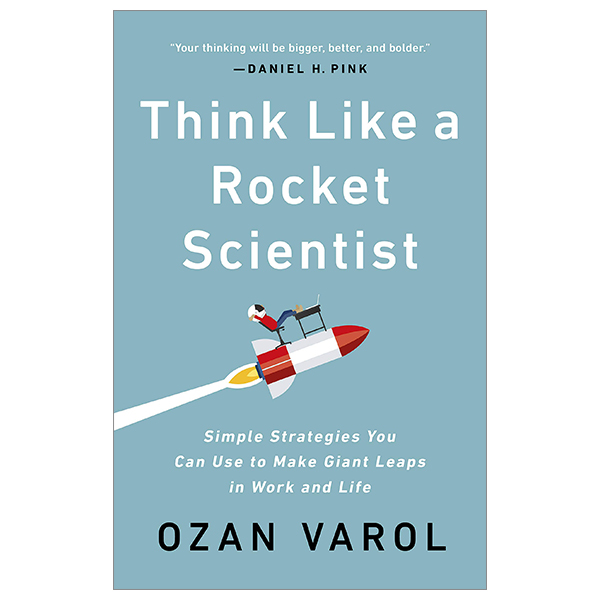
Think Like A Rocket Scientist: Simple Strategies You Can Use To Make Giant Leaps In Work And Life
* One of Inc.com's "6 Books You Need to Read in 2020 (According to Bill Gates, Satya Nadella, and Adam Grant)"
* Adam Grant's 1 pick of his top 20 books of 2020
* One of 6 Groundbreaking Books of Spring 2020 (according to Malcolm Gladwell, Susan Cain, Dan Pink, and Adam Grant).
A former rocket scientist reveals the habits, ideas, and strategies that will empower you to turn the seemingly impossible into the possible.
Rocket science is often celebrated as the ultimate triumph of technology. But it's not. Rather, it's the apex of a certain thought process -- a way to imagine the unimaginable and solve the unsolvable. It's the same thought process that enabled Neil Armstrong to take his giant leap for mankind, that allows spacecraft to travel millions of miles through outer space and land on a precise spot, and that brings us closer to colonizing other planets.
Fortunately, you don't have to be a rocket scientist to think like one.
In this accessible and practical book, Ozan Varol reveals nine simple strategies from rocket science that you can use to make your own giant leaps in work and life -- whether it's landing your dream job, accelerating your business, learning a new skill, or creating the next breakthrough product. Today, thinking like a rocket scientist is a necessity. We all encounter complex and unfamiliar problems in our lives. Those who can tackle these problems -- without clear guidelines and with the clock ticking -- enjoy an extraordinary advantage.
Think Like a Rocket Scientist will inspire you to take your own moonshot and enable you to achieve liftoff.

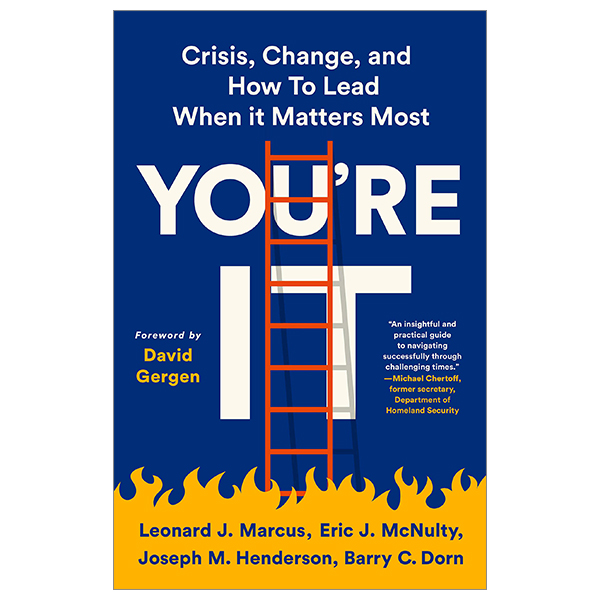
You're It: Crisis, Change, And How To Lead When It Matters Most
The faculty of the National Preparedness Leadership Initiative at Harvard University distill their extensive research and experience to teach you how to become a better leader every day, while giving you the tools to handle the inevitable crises that come your way.
Managing crisis well is at the very heart of good leadership. Here, the team from the National Preparedness Leadership Initiative draws on a deep well of research as well as their experience working with leaders to respond to crisis events of all kinds, from the COVID-19 pandemic and the Boston Marathon bombings, to more everyday crises like a product recall or media controversy that can hit corporate operations, risking terrible PR and outrage from customers.
You're It distills the wisdom the NPLI have gained from observing the way the most effective leaders take charge of situations with real authority, marshal and connect different networks together, and bring their organizations, cities and countries out through the other side of crisis into recovery. You're It is an essential book for anyone potentially facing a crisis or a wrenching change.

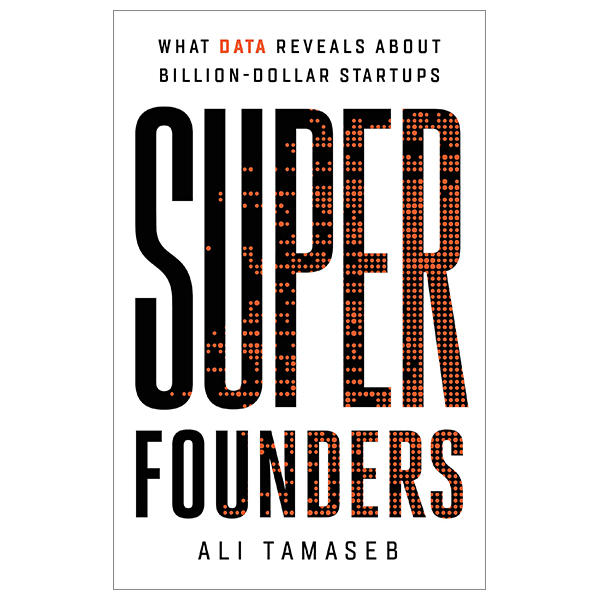
Super Founders: What Data Reveals About Billion-Dollar Startups
Super Founders uses a data-driven approach to understand what really differentiates billion-dollar startups from the rest—revealing that nearly everything we thought was true about them is false!
Ali Tamaseb has spent thousands of hours manually amassing what may be the largest dataset ever collected on startups, comparing billion-dollar startups with those that failed to become one—30,000 data points on nearly every factor: number of competitors, market size, the founder’s age, his or her university’s ranking, quality of investors, fundraising time, and many, many more. And what he found looked far different than expected. Just to mention a few:
- Most unicorn founders had no industry experience;
- There's no disadvantage to being a solo founder or to being a non-technical CEO;
- Less than 15% went through any kind of accelerator program;
You will also hear the stories of the early days of billion-dollar startups first-hand. The book includes exclusive interviews with the founders/investors of Zoom, Instacart, PayPal, Nest, Github, Flatiron Health, Kite Pharma, Facebook, Stripe, Airbnb, YouTube, LinkedIn, Lyft, DoorDash, Coinbase, and Square, venture capital investors like Elad Gil, Peter Thiel, Alfred Lin from Sequoia Capital and Keith Rabois of Founders Fund, as well as previously untold stories about the early days of ByteDance (TikTok), WhatsApp, Dropbox, Discord, DiDi, Flipkart, Instagram, Careem, Peloton, and SpaceX.
Packed with counterintuitive insights and inside stories from people who have built massively successful companies, Super Founders is a paradigm-shifting and actionable guide for entrepreneurs, investors, and anyone interested in what makes a startup successful.

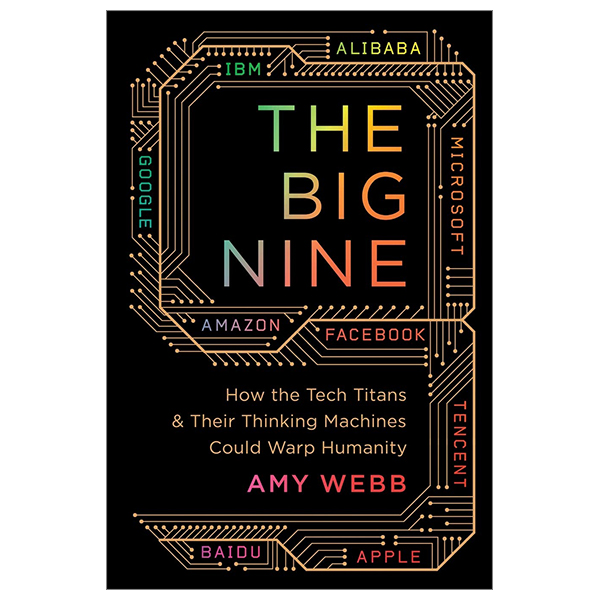
The Big Nine: How The Tech Titans And Their Thinking Machines Could Warp Humanity
A call-to-arms about the broken nature of artificial intelligence, and the powerful corporations that are turning the human-machine relationship on its head.
We like to think that we are in control of the future of "artificial" intelligence. The reality, though, is that we -- the everyday people whose data powers AI -- aren't actually in control of anything. When, for example, we speak with Alexa, we contribute that data to a system we can't see and have no input into -- one largely free from regulation or oversight. The big nine corporations -- Amazon, Google, Facebook, Tencent, Baidu, Alibaba, Microsoft, IBM and Apple--are the new gods of AI and are short-changing our futures to reap immediate financial gain.
In this book, Amy Webb reveals the pervasive, invisible ways in which the foundations of AI -- the people working on the system, their motivations, the technology itself -- is broken. Within our lifetimes, AI will, by design, begin to behave unpredictably, thinking and acting in ways which defy human logic. The big nine corporations may be inadvertently building and enabling vast arrays of intelligent systems that don't share our motivations, desires, or hopes for the future of humanity.
Much more than a passionate, human-centered call-to-arms, this book delivers a strategy for changing course, and provides a path for liberating us from algorithmic decision-makers and powerful corporations.

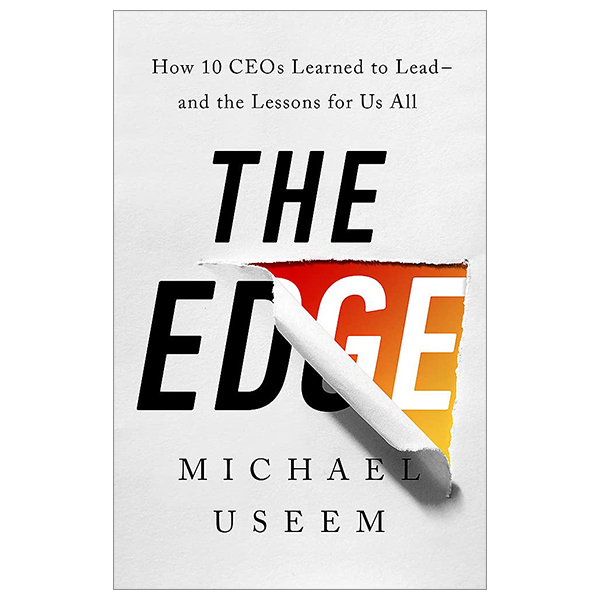
The Edge: How Ten Ceos Learned To Lead--And The Lessons For Us All
“If you’re not living on the edge, you’re taking up too much space.” —Jim Whittaker, first American to climb Mt. Everest
A leader’s job—in a radically changing world—is standing on the cliff edge, getting a grip on unfamiliar landscapes, and acquiring the skills for leading the enterprise into new territory. In a world facing the unprecedented challenges of global pandemic and economic distruption, every leader needs to find the edge for leaping across the breach and breaking new ground on the other side.
Michael Useem provides rare insight into how ten leaders confronted hard realities. He looked close-in at the lide and work of people such as Bill McNabb of Vanguard, Jeffrey Lurie of the Philadelphia Eagles, Alex Gorsky of Johnson & Johnson, and Tricia Griffith of Progressive Insurance. His “you are there” profiles chronicle fateful decisions such as:
- Meeting the concerns of a next-generation workforce that considers inclusiveness an integral part of business
- Developing a strategy for growth in a market that is cratering
Useem’s profiles of leaders on the edge provide the inspiration and the guidance we all need for adapting and thriving in an era of massive disruption and continuous transformation.

Keeping At It: The Quest For Sound Money And Good Government
The extraordinary life story of the former chairman of the Federal Reserve, whose absolute integrity provides the inspiration we need as our constitutional system and political tradition are being tested to the breaking point.
As chairman of the Federal Reserve (1979-1987), Paul Volcker slayed the inflation dragon that was consuming the American economy and restored the world's faith in central bankers. That extraordinary feat was just one pivotal episode in a decades-long career serving six presidents.
Told with wit, humor, and down-to-earth erudition, the narrative of Volcker's career illuminates the changes that have taken place in American life, government, and the economy since World War II. He vibrantly illustrates the crises he managed alongside the world's leading politicians, central bankers, and financiers. Yet he first found his model for competent and ethical governance in his father, the town manager of Teaneck, NJ, who instilled Volcker's dedication to absolute integrity and his "three verities" of stable prices, sound finance, and good government.

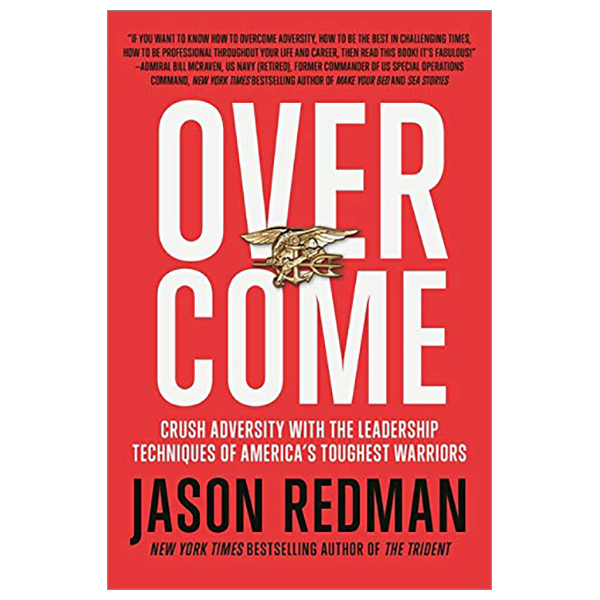
Overcome: Crush Adversity With The Leadership Techniques Of America's Toughest Warriors
Triumph over adversity using proven Special Operations habits and mindsets with this inspiring guide from retired Navy SEAL and New York Times bestselling author Jason Redman.
Adversity can often catch you by surprise and leave you struggling with what to do next. What if you could confront any adversity, from the biggest challenges -- the loss of your job, divorce, health issues, bankruptcy -- to normal daily challenges -- a late flight, a disappointing phone call, a missed promotion, a bad day -- and not just survive it, but thrive afterwards?
Redman was horrifically wounded in Iraq in 2007 when he was shot at close range through the face and arm. After 40 surgeries, including extensive facial reconstruction and skin grafts, he came back from this experience stronger than ever -- despite carrying scars and injuries he will have for the rest of his life. Redman went on to launch two successful companies and speaks all over the country on how to build better leaders through his Overcome mindset.
Overcome is based on extensive research and interviews with America's toughest warriors, including retired 4-star Admiral William McRaven, retired Navy SEAL Jocko Willink, retired 4-star General Stanley McChrystal, and others. In this book, Redman teaches:
- How to survive any life ambush
- How to move from defense to offense using the proactive techniques of SEAL teams
- How to strengthen your endurance during long-term trials
- How to rediscover and thrive in your life purpose
- How to lead your team (whether in business or family) to success
- How to compete with the top 1% in your field
- How to stay the course even when you want to quit
Some people move through adversity and others fall underneath it. Learn how you can be counted among those who will Overcome.

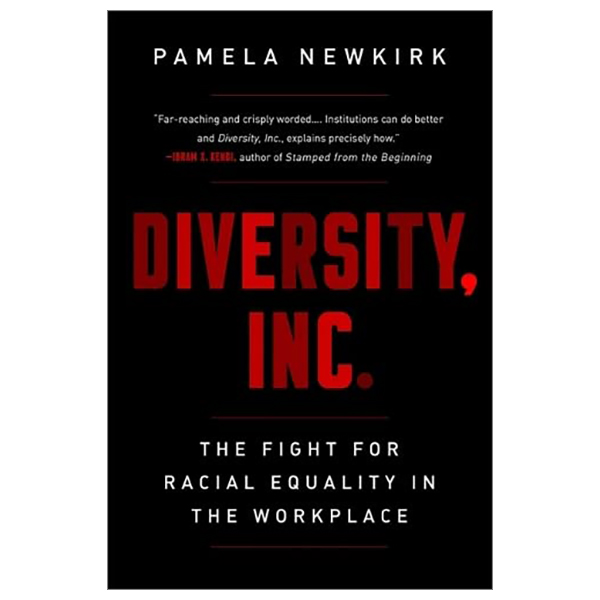
Diversity, Inc.: The Fight For Racial Equality In The Workplace
One of Time Magazine's Must-Read Books of 2019: An award-winning journalist shows how workplace diversity initiatives have turned into a profoundly misguided industry—and have done little to bring equality to America's major industries and institutions.
Diversity has become the new buzzword, championed by elite institutions from academia to Hollywood to corporate America. In an effort to ensure their organizations represent the racial and ethnic makeup of the country, industry and foundation leaders have pledged hundreds of millions of dollars to commission studies, launch training sessions, and hire consultants and diversity czars. But is it working?
In Diversity, Inc., award-winning journalist Pamela Newkirk shines a bright light on the diversity industry, asking the tough questions about what has been effective—and why progress has been so slow. Newkirk highlights the rare success stories, sharing valuable lessons about how other industries can match those gains. But as she argues, despite decades of handwringing, costly initiatives, and uncomfortable conversations, organizations have, apart from a few exceptions, fallen far short of their goals.
Diversity, Inc. incisively shows the vast gap between the rhetoric of inclusivity and real achievements. If we are to deliver on the promise of true equality, we need to abandon ineffective, costly measures and commit ourselves to combatting enduring racial attitudes.

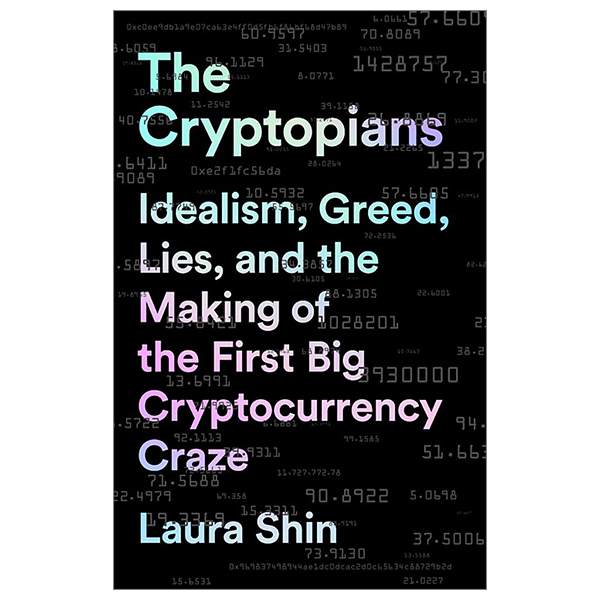
The Cryptopians: Idealism, Greed, Lies, And The Making Of The First Big Cryptocurrency Craze
The story of the idealists, technologists, and opportunists fighting to bring cryptocurrency to the masses.
In their short history, Bitcoin and other cryptocurrencies have gone through booms, busts, and internecine wars, recently reaching a market valuation of more than $2 trillion. The central promise of crypto endures—vast fortunes made from decentralized networks not controlled by any single entity and not yet regulated by many governments.
The recent growth of crypto would have been all but impossible if not for a brilliant young man named Vitalik Buterin and his creation: Ethereum. In this book, Laura Shin takes readers inside the founding of this novel cryptocurrency network, which enabled users to launch their own new coins, thus creating a new crypto fever. She introduces readers to larger-than-life characters like Buterin, the Web3 wunderkind; his short-lived CEO, Charles Hoskinson; and Joe Lubin, a former Goldman Sachs VP who became one of crypto’s most well-known billionaires. Sparks fly as these outsized personalities fight for their piece of a seemingly limitless new business opportunity.
This fascinating book shows the crypto market for what it really is: a deeply personal struggle to influence the coming revolution in money, culture, and power.

Beyond Great: Nine Strategies For Thriving In An Era Of Social Tension, Economic Nationalism, And Technological Revolution
Great is no longer good enough. Beyond Great delivers a powerful new playbook of 9 core strategies to thrive in a post-COVID world where all the rules of the game are being re-written.
Beyond Great answers to two fundamental questions which face business leaders today in a world shaped by daunting and disruptive technological, economic, and social change. First, what is outstanding performance in this new volatile era? Second, how do we build competitive advantage in a world with new and often uncertain rules? Supported by years of research and hands-on consulting practice, this book presents a comprehensive framework for building a high performing, resilient, adaptive, and socially responsible global company.
The book begins by taking an incisive look at these disruptive forces transforming globalization, including economic nationalism; the boom in data flows and digital commerce; the rise of China; heightened public concerns about capitalism and the environment; and the emergence of borderless communities of digitally connected consumers. Distilled from the study of hundreds of companies and interviews with dozens of business leaders, the authors have distilled nine core strategies – the new winning playbook of the 21st century.
Beyond Great argues that business leaders today must lead with a new kind of openness, flexibility and light-footedness, constantly layering in new strategies and operational norms atop existing ones to allow for "always-on" transformation. Leaders must master a whole new set of rules about what it takes to be "global," becoming shapeshifters adept at handling contradiction, multiplicity, and nuance. This book will show them how.

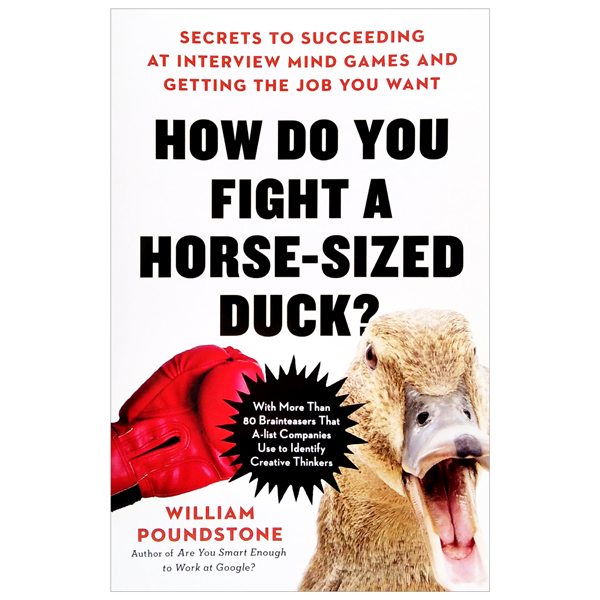
How Do You Fight A Horse - Sized Duck?
Each year about 28 million Americans begin a search for a new job. Many more live in the age of the permanent job search, their online profiles eternally awaiting a better offer. Job seekers are more mobile and better informed than ever, aspiring to work for employers offering an appealing culture, a robust menu of perks, and opportunities for personal fulfillment and advancement. The result is that millions of applications stream to the handful of companies that regularly top listings of the best companies to work for: Apple, Netflix, Amazon, Alphabet, Disney, SpaceX, Oracle, Pricewaterhouse-Coopers, and others. Tesla has received as many as 200 applications for each open position. How do selective employers choose which people to hire? It’s through interviews asking uniquely demanding questions testing imagination, persistence, and creativity, like:
Can an astronaut throw a baseball so it hits Earth?
If you had $2,000, how would you double it in 24 hours?
How is a milk carton like a plane seat?
Chicken McNuggets come in boxes of 6, 9, and 20. What’s the largest number of McNuggets that McDonald’s can’t sell you?
How many dogs in the world have the exact same number of hairs?
How Do You Fight a Horse-Sized Duck? explores the new world of interviewing at A-list employers. It reveals more than eighty notoriously challenging interview questions and supplies both answers and a general strategy for creative problem-solving.

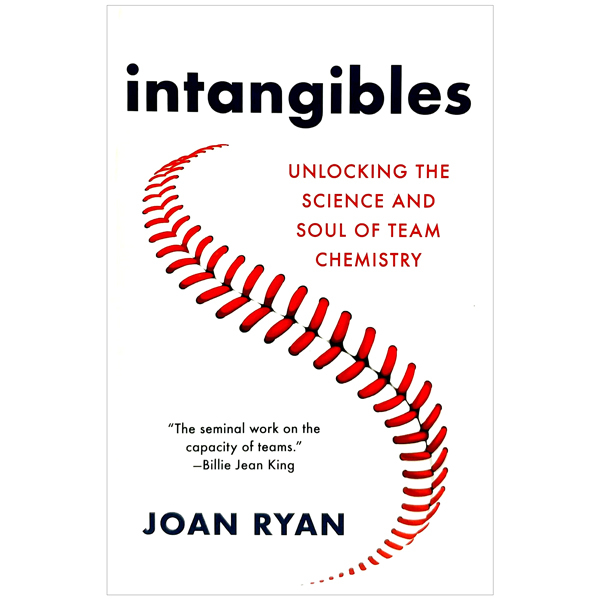
Intangibles: Unlocking The Science And Soul Of Team Chemistry
From baseball to biology, an award-winning journalist highlights the power of team chemistry in this “terrific” data-driven investigation of human relationships (Billie Jean King).
Does team chemistry actually exist? Is there scientific or mathematical proof? Is team chemistry as real and relevant as on-base percentages and wins above replacement?
In Joan Ryan’s groundbreaking book we discover that the answer to all of the above is a resounding yes. As Ryan puts it, team chemistry, or the combination of biological and social forces that boosts selfless effort among more players over more days of a season, is what drives sports teams toward a common goal, encouraging the players to be the best versions of themselves. These are the elements of teams that make them “click,” the ones that foster trust and respect, and push players to exceed their own potential when they work well together.
Team chemistry alone won’t win a World Series, but talent alone won’t win it, either. And by interviewing more than 100 players, coaches, managers, and statisticians, as well as over five years of extensive research in neuroscience, biology, physiology, and psychology, Ryan proves that the social and emotional state of a team does affect performance. Grit, passion, selflessness, and effort matter — but never underestimate the power of chemistry.

Tarzan Economics
Taking the lessons learned from his years studying the rise and fall of the modern music industry, Spotify's Chief Economist has crafted "a compelling and generous read" (Scott Galloway) that provides the tools to recognize and adapt to disruption in any industry.
As the chief economist at Spotify, Will Page has had the best seat in the house for witnessing--and harnessing--the power of disruptive change. Music has often been the canary in the coal mine for major technological and societal shifts, and if there's one thing Page learned from the digital revolution, it's that businesses must be ready to pivot.
Drawing practical lessons from a variety of fresh case studies covering Radiohead, Starbucks, and even Groucho Marx, Page examines the eight principles that disruption has thrown into sharp relief as keys to survival in any sector. Businesses need to be ready and willing to change and, if necessary, be prepared to rebuild entire organizations and business models to do so. Pivoting through disruption has everything to do with being able to see the revolutionary changes around the corner, recognizing your strengths, and having the confidence to let go of the old vine of doing business and grab onto the new.
A rare book of economics offering actionable takeaways in easy-to-understand language, Tarzan Economics is the must-read book for anyone staring at their own Napster moment and wishing they knew how to fail-safe their business.
Sách kỹ năng sống, Sách nuôi dạy con, Sách tiểu sử hồi ký, Sách nữ công gia chánh, Sách học tiếng hàn, Sách thiếu nhi